The Jengu: Cameroon’s Water Spirits Who Still Whisper Through Rivers
Beneath the shimmering surface of Cameroon’s rivers, something ancient still breathes. Not a myth, not entirely a memory—the Jengu. Guardians of water, healers, and silent watchers of human destiny.
Their legend has not vanished… but it is slipping away, carried downstream by time.
Lirael Starwhisper
Ancient Folklore & Oral Traditions Archivist
Specialized in ancient African Mythology, and North American Oral Traditions
🌿 Who Are the Jengu? Spirits of Water and Light
In the coastal regions of Cameroon in the heart of the African continent, and more particularly among the Sawa peoples (including the Duala, Bakweri, and related communities), the Jengu are revered as powerful water spirits.
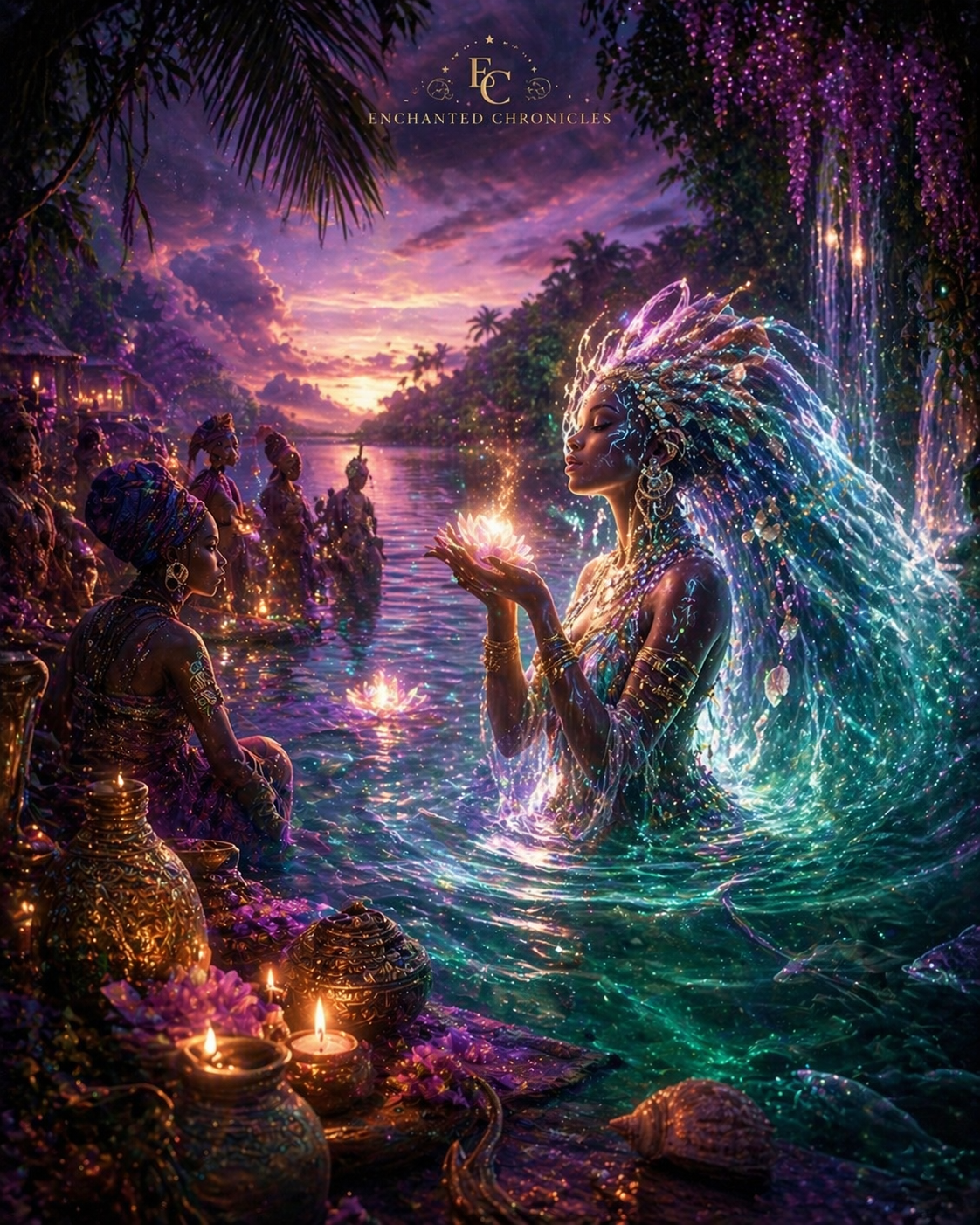
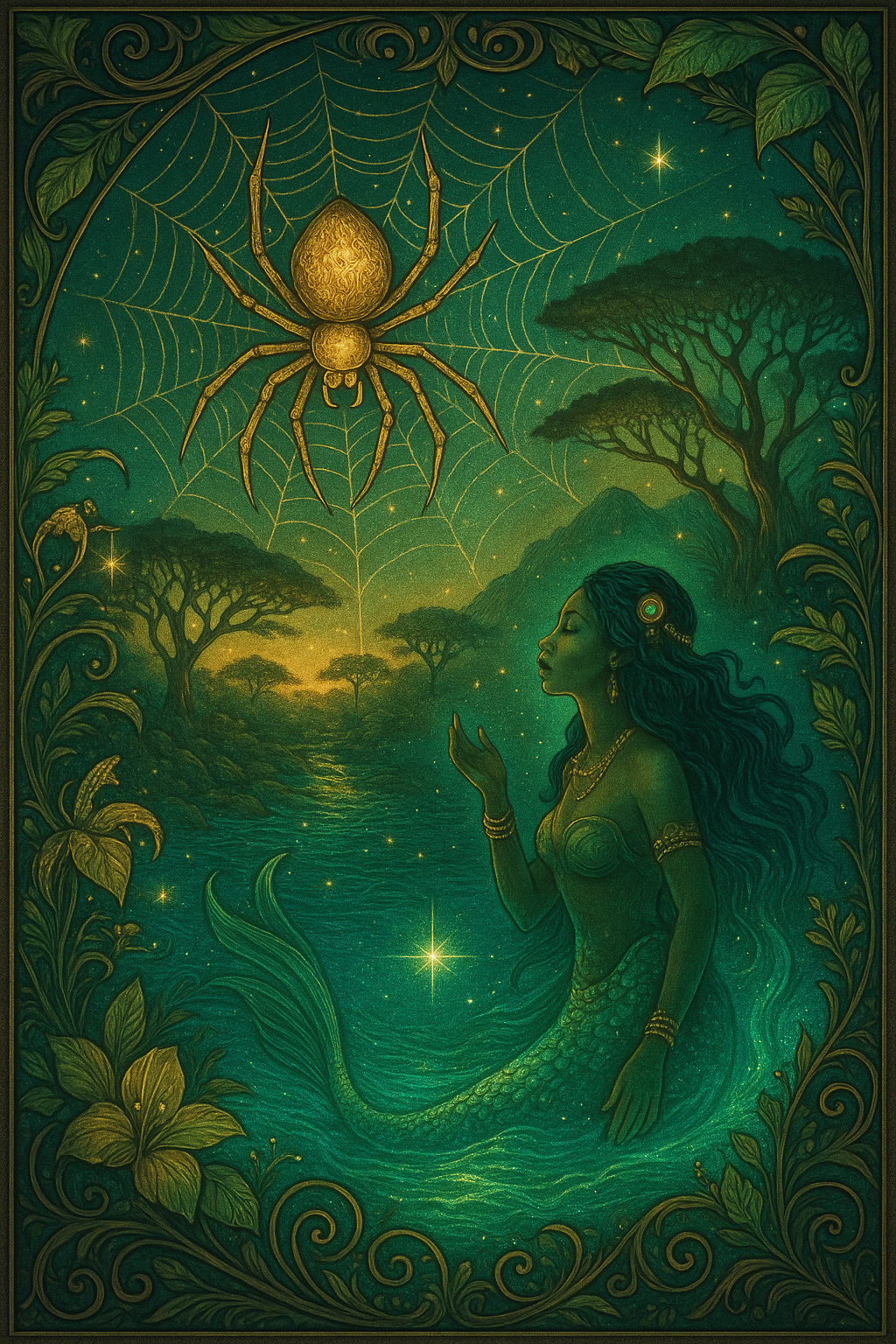
Described as ethereal beings dwelling in rivers, estuaries, and the ocean’s edge, the Jengu are often imagined as radiant, graceful entities—sometimes appearing human-like, other times shimmering with otherworldly features that blur the line between spirit and nature.
They are not merely mythical creatures. Traditionally, the Jengu are understood as:
- Guardians of water realms
- Intermediaries between humans and the spirit world
- Healers with knowledge of sacred medicine
- Protectors of moral balance within the community
Their presence is not feared—it is respected.
🌊 A Living Tradition: The Jengu in Modern Cameroon
Unlike many fading legends, the Jengu are still part of living cultural practices today.
In certain coastal communities, especially around Douala and the Wouri River, rituals dedicated to the Jengu continue—though increasingly rare.
One of the most significant expressions of this tradition is the Jengu cult, a spiritual system where initiates (often chosen through signs, illness, or dreams) undergo sacred rites to establish a connection with these water spirits.
Even in the present day:
- Ritual baths in rivers are performed for healing and purification
- Offerings are made to seek protection or guidance
- Ceremonial dances reenact the presence of the Jengu among humans
But this continuity is fragile. Urbanization and globalization are steadily eroding the transmission of these practices.
🐚 The Sacred Bond: Humans and the Water Realm
The relationship between humans and the Jengu is deeply reciprocal.
According to oral tradition, the Jengu offer:
- Healing powers for physical and spiritual illness
- Fertility blessings
- Protection from misfortune
In return, humans must show respect:
- Avoid polluting rivers
- Honor rituals and taboos
- Maintain spiritual balance within the community
This reflects a worldview where nature is not passive—it is alive, conscious, and responsive.
Initiation and Mystery: Being Chosen by the Jengu
One of the most fascinating aspects of Jengu belief is initiation.
It is said that individuals do not choose the Jengu—the Jengu chooses them.
Signs may include:
- Recurrent dreams of water
- Unexplained illness that resists modern treatment
- Sudden attraction to rivers or aquatic environments
Initiates undergo rituals that symbolically “connect” them to the water world.
After initiation, they may serve as healers or spiritual intermediaries within their community.
This process blurs the boundary between myth and lived reality.
🌙 Between Myth and Memory: A Tradition at Risk
Despite its resilience, the Jengu tradition is under threat.
Several factors contribute to its decline:
- Rapid urbanization in coastal Cameroon
- Loss of oral storytelling traditions
- Environmental degradation of sacred water sites
Many younger generations recognize the word “Jengu” but lack deeper understanding of its meaning.
As elders pass away, so too does the nuanced knowledge that cannot be written—only spoken, performed, and lived.
🌍 Why the Jengu Matter in Today’s World
The Jengu are more than folklore. They represent a sophisticated ecological and spiritual philosophy.
Their story speaks to:
- The sacred relationship between humans and water
- Indigenous systems of healing and knowledge
- The importance of preserving intangible cultural heritage
- The universal human need to connect with the unseen
In an era of climate crisis, the Jengu remind us of something essential: water is not just a resource—it is a living entity.
🌊 The Spirits Still live Beneath the Surface
The Jengu have not disappeared.
They are still there—in the quiet movement of water, in rituals performed at dawn, in stories told in low voices along riverbanks.
But their future is uncertain.
Like reflections on water, their presence depends on how closely we are willing to look… and whether we choose to remember.
📜 Sources & Cultural References
The Jengu are well documented in ethnographic and anthropological studies:
- Sawa spiritual traditions and coastal Cameroon ethnography
- Studies on African water spirits and ritual systems
- Oral histories from Duala and Bakweri communities
- Comparative African mythology
These sources confirm that the Jengu are not fictional constructs, but part of a deeply rooted and historically documented belief system.
❄️ FAQ – The Jengu
What are the Jengu?
The Jengu are sacred water spirits from Cameroon, particularly among the Sawa peoples. They are believed to inhabit rivers and coastal waters, acting as healers, protectors, and intermediaries between humans and the spiritual realm.
Are the Jengu still worshipped today?
Yes—but only in certain communities. Rituals and beliefs surrounding the Jengu still exist, especially in coastal regions, but they are becoming increasingly rare as modernization and globalization impact traditional practices.
What powers do the Jengu have?
According to oral tradition, the Jengu possess healing abilities, spiritual insight, and the power to influence human destiny. They are often invoked for protection, fertility, and purification.
How do people connect with the Jengu?
Connection usually happens through rituals, offerings, and initiation ceremonies. Some individuals are believed to be “chosen” by the Jengu through dreams, illness, or spiritual signs.
What do the Jengu symbolize?
The Jengu symbolize the sacred nature of water, the balance between visible and invisible worlds, and the deep connection between humans and nature in African spiritual systems
Would you like to discover other Realms…. Come this way…
Join our community of readers register for our newsletter!