
The Labyrinth of Teotihuacan:
Mysteries, Legends, and Ancient Trials

Hidden within the ancient city of Teotihuacan, long before the rise of the Aztec Empire, lies a labyrinth that has intrigued historians, archaeologists, and travelers alike.
Known as the Labyrinth of Teotihuacan, this mysterious network of tunnels and sacred passageways is steeped in legend, folklore, and the spiritual practices of pre-Columbian civilizations. Here’s the story….

Elaris Windglimmer
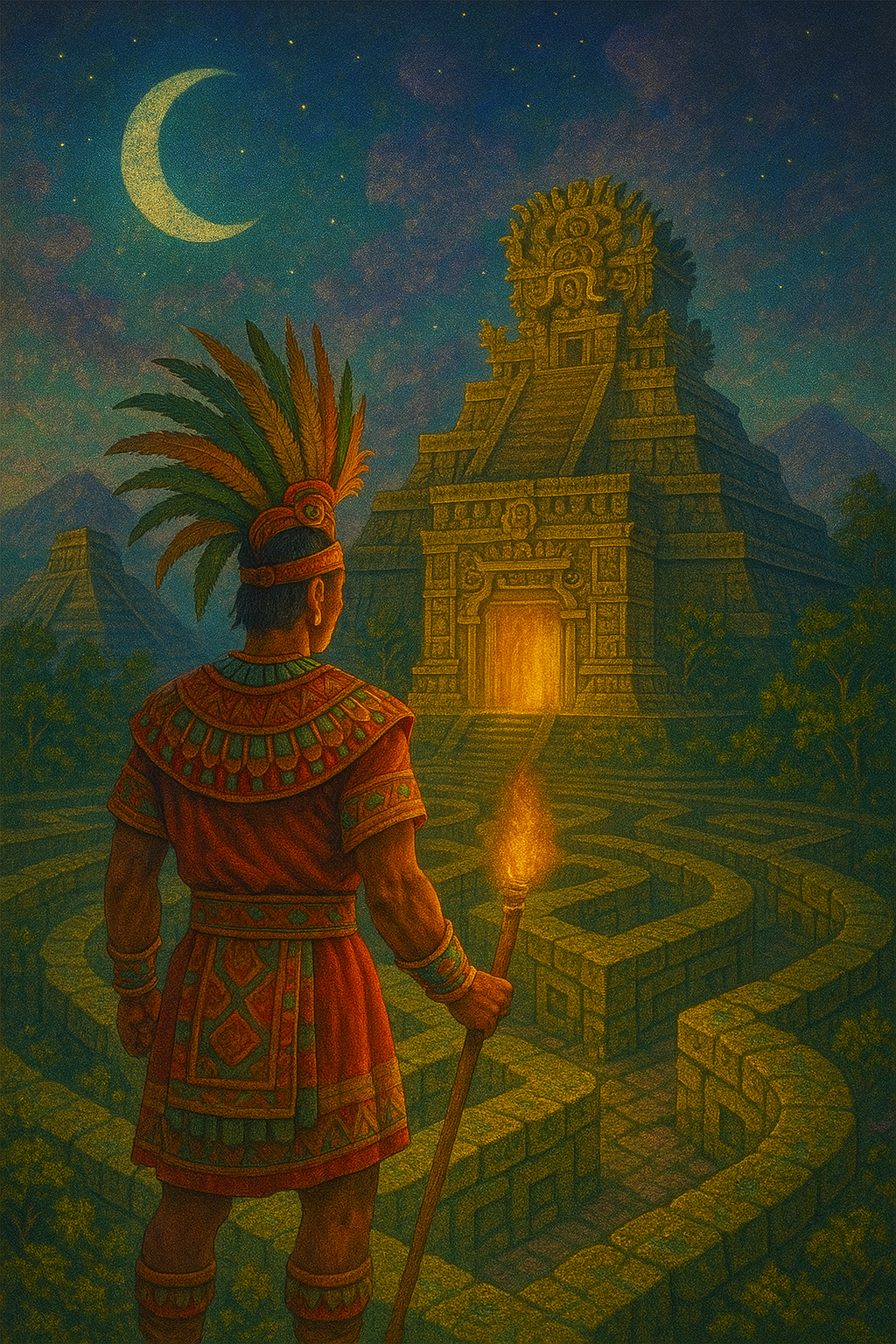
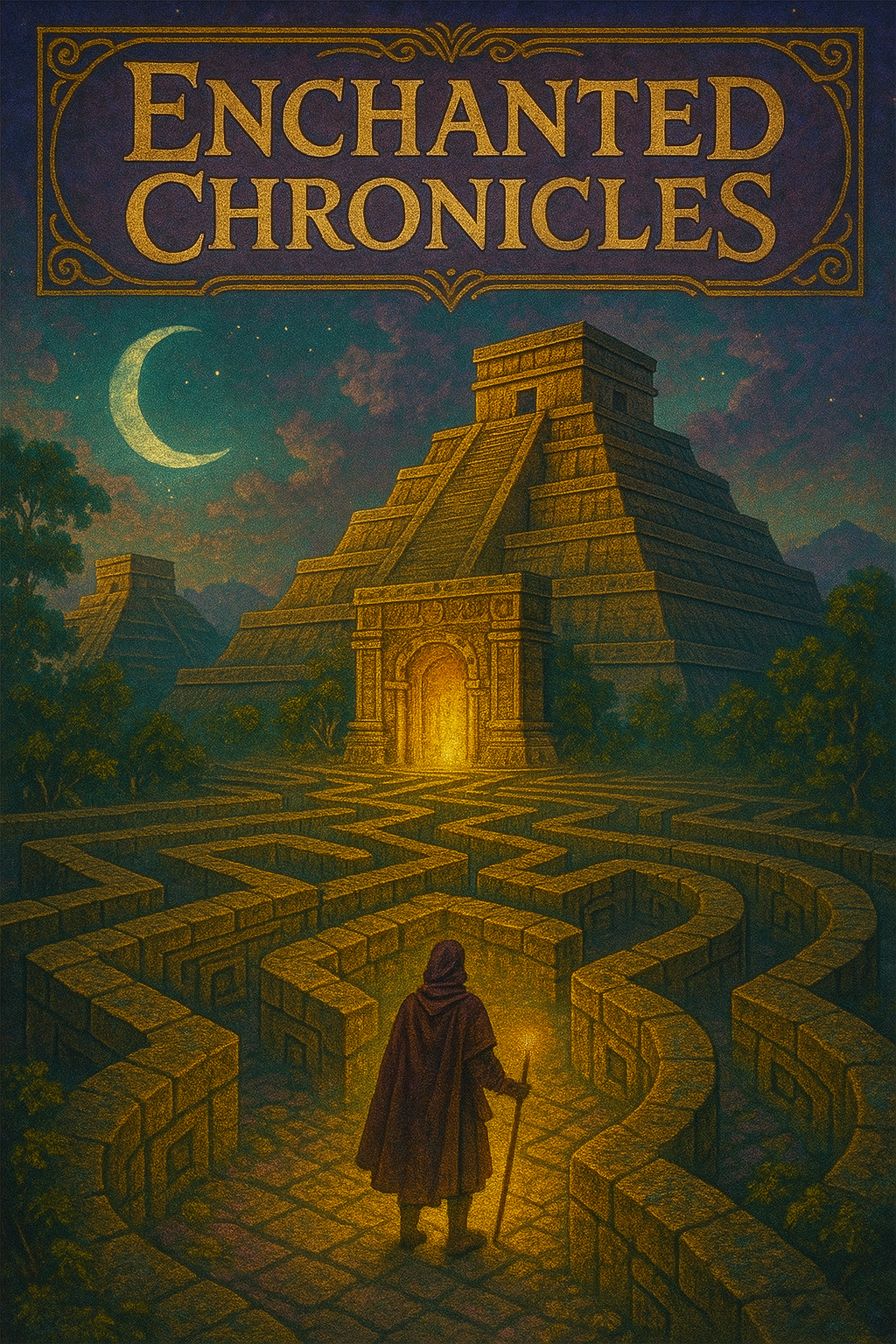
The Labyrinth of Teotihuacan

Origins and Historical Context


Dating back over 2,000 years, Teotihuacan (Mexico) was a thriving metropolis with monumental pyramids, temples, and plazas.

The Aztec labyrinth, located beneath or near some of the city’s most sacred structures, was not merely an architectural curiosity. According to archaeological studies, it was designed to test both the courage and intellect of those seeking divine knowledge.

Ancient priests believed that only those who could navigate its winding corridors could earn favor from the divinities and access the hidden wisdom of the cosmos.


A metaphor for life’s trials

Legends tell of intrepid explorers entering the labyrinth and facing illusions crafted by the deities themselves. Some say the corridors shifted, appearing endless to the unworthy, while the truly courageous discovered hidden chambers filled with ritual objects, sacred stones, and glyphs foretelling the cycles of time. The labyrinth was considered a metaphor for life’s trials, a place where mortal fears confronted divine truths.

Over centuries, the city of Teotihuacan fell into decline, and much of its lore faded into obscurity. Yet the labyrinth’s mystery persisted in local folklore. Aztec and Maya cultures inherited tales of hidden passages, guardians, and trials. Stories were passed down orally, describing heroes who braved darkness and emerged with wisdom or treasures.

These tales inspired rituals, artwork, and even moral teachings about perseverance, courage, and respect for the unknown.


Current times

Today, the Labyrinth of Teotihuacan continues to captivate adventurers and spiritual seekers. Archaeologists have partially excavated sections, revealing complex stone corridors, ceremonial chambers, and engraved symbols that hint at its sacred purpose.

Modern-day celebrations often include guided tours, immersive storytelling sessions, and festivals that honor the ingenuity and spiritual significance of Teotihuacan.

Visitors are invited to explore the site not just as a tourist attraction but as a portal into the mysteries of ancient Mesoamerican civilization.

The labyrinth also inspires contemporary literature, art, and virtual experiences. Writers and filmmakers draw on its mythos, portraying it as a place where the physical and spiritual worlds intersect.

Travelers are encouraged to embrace the journey—both the physical exploration of stone corridors and the symbolic path of self-discovery. The legend of the Labyrinth of Teotihuacan is alive, inviting all who hear it to test their bravery and intellect.


One last word


Whether viewed through the lens of history, archaeology, or mythology, the labyrinth remains a symbol of Human curiosity and resilience. It challenges us to confront our fears, solve complex puzzles, and emerge transformed—echoing the ancient belief that divine knowledge is reserved for those who are willing to navigate life’s most intricate paths.


FAQ about The Labyrinth of Teotihuacan

What is the Teotihuacan labyrinth?

The Teotihuacan labyrinth refers to the network of underground tunnels and chambers beneath the city’s main pyramids, believed to symbolize the Mesoamerican underworld.

Why did the ancient Teotihuacanos build tunnels under the pyramids?

Archaeologists believe the tunnels represented a sacred passage to the underworld, used for ritual ceremonies, offerings, and symbolic connections between the living and spiritual worlds.

Can visitors explore the tunnels today?

Most tunnels are closed to the public for preservation, but visitors can view pyramids and excavation areas above ground, and some virtual tours simulate the underground structures.

How does Teotihuacan’s labyrinth compare to other Mesoamerican underworld myths?

Like other Mesoamerican cultures, Teotihuacan incorporated subterranean spaces to represent Xibalba or Mictlan, connecting the living with the spiritual underworld.
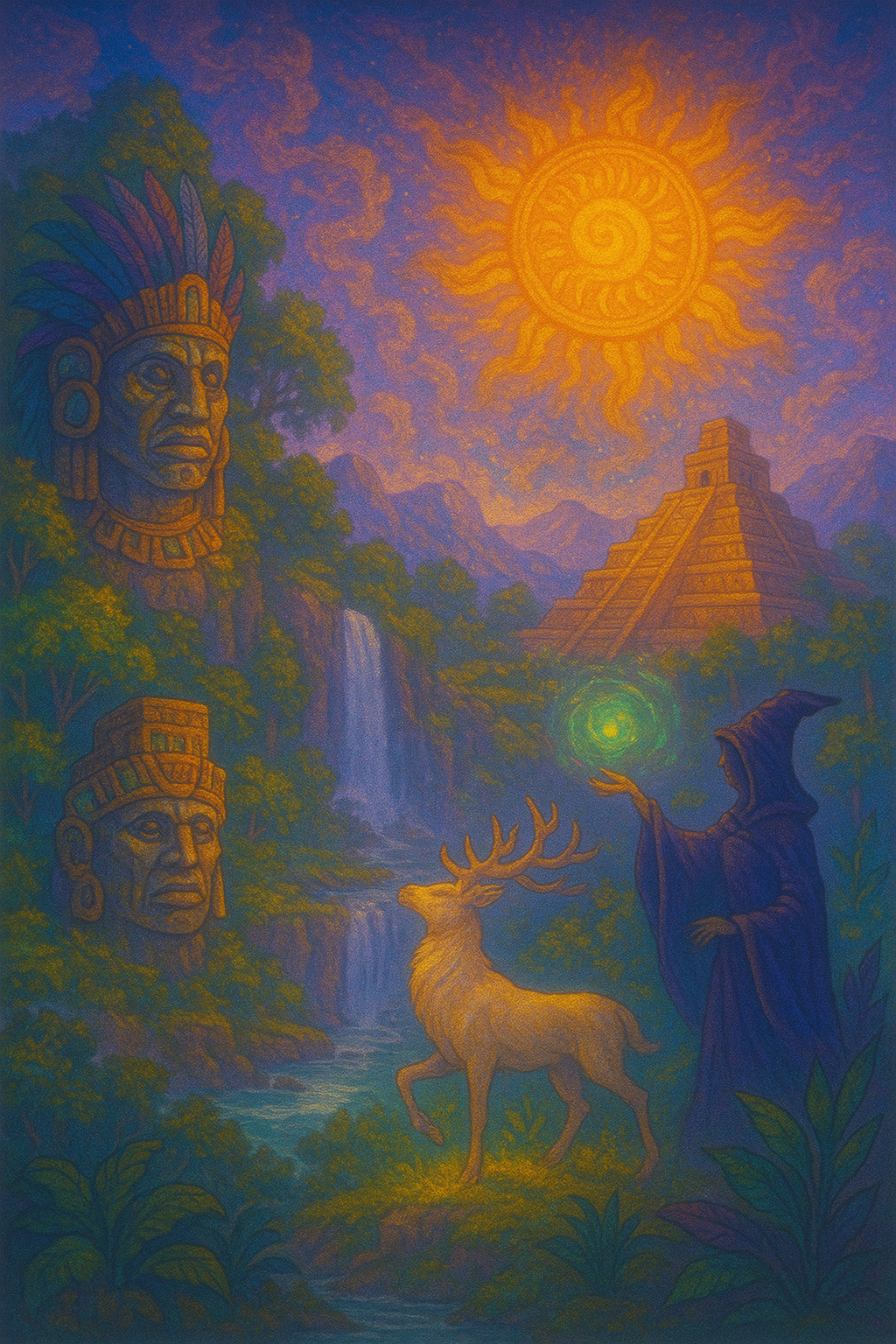
Info Box, Sources & Further Readings


For a deeper understanding of the Aluxes and Mayan mythology, these references provide historical, ethnographic, and anthropological insights:
Books of Chilam Balam – Colonial Yucatec Maya texts documenting cosmology, rituals, and folklore. Read more
Popol Vuh – The Mayan creation story and mythological framework.
Ethnographic Studies – Research on Yucatec Maya folklore and traditions by the Universidad Autónoma de Yucatán.
Anthropological Research – Studies of Mesoamerican spiritual beliefs, published by the National Autonomous University of Mexico (UNAM).
Comparative Mythology Studies – Cross-cultural research on indigenous nature spirits (duendes, Huldufólk, and other forest guardians such as the Curupira in Brazil).
These sources enhance credibility and provide context for the enduring legend of the Aluxes in the Yucatán Peninsula.


Click right here for other Stories…


Join Our Community of readers – Register for our Newsletter!
Translate »
Scroll to Top